
Introduction to Monoclonal Antibodies
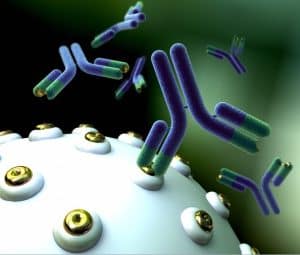
Monoclonal antibodies (mAbs) are highly specific immunoglobulins generated from a single clone of B lymphocytes. Unlike polyclonal antibodies, which consist of heterogeneous populations recognizing multiple epitopes, monoclonal antibodies are uniform and target a single antigenic determinant. This high specificity makes them powerful tools in both diagnostics and targeted therapy.
The development of monoclonal antibody technology was revolutionized in 1975 with the introduction of the hybridoma method, enabling the continuous production of identical antibodies. Although early clinical translation required several years, monoclonal antibodies are now central to modern biopharmaceutical innovation.
Production Strategies and Technological Evolution
Hybridoma Technology
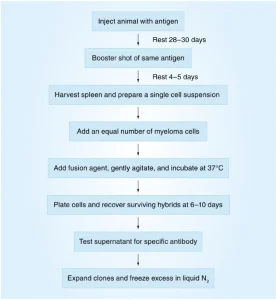
The classical approach to mAb production involves immunizing mice with a target antigen, followed by fusion of antibody-producing B cells with immortal myeloma cells. This fusion generates hybridoma cells capable of producing large quantities of specific antibodies indefinitely.
While historically dependent on animal systems, advancements in biotechnology have introduced in vitro production platforms, reducing reliance on animal models and improving scalability.
Recombinant Antibody Engineering
Recent innovations, including phage display technologies and recombinant DNA methods, have transformed antibody development. These approaches allow:
- Selection of high-affinity antibodies without animal immunization
- Large-scale production in heterologous systems
- Customization of antibody structure and function
This has led to the emergence of:
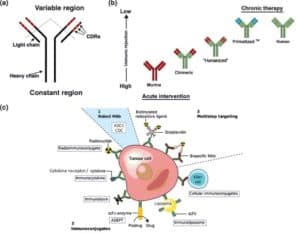
- Chimeric antibodies (mouse variable regions + human constant regions)
- Humanized antibodies (minimal murine components)
- Fully human antibodies (reduced immunogenicity)
These engineered formats significantly enhance therapeutic compatibility and efficacy.
Structural Organization and Functional Domains
Monoclonal antibodies are composed of:
- Two heavy chains and two light chains
- Distinct structural domains with specialized functions
Fab Region (Antigen Binding)
The fragment antigen-binding (Fab) region contains variable domains responsible for antigen recognition. Within these domains, complementarity-determining regions (CDRs) define binding specificity and affinity.
Fc Region (Effector Function)
The fragment crystallizable (Fc) region mediates immune responses by interacting with:
- Fc receptors on immune cells
- Components of the complement system
This interaction enables mechanisms such as:
- Antibody-dependent cellular cytotoxicity (ADCC)
- Complement-dependent cytotoxicity (CDC)
The choice of antibody isotype, such as IgG1, directly influences these effector functions.
Mechanisms of Therapeutic Action
The clinical effectiveness of monoclonal antibodies depends on multiple biological parameters, including antigen expression, antibody affinity, and tissue distribution.
Key mechanisms include:
- Neutralization or blockade of target molecules
- Induction of cell death via immune-mediated cytotoxicity
- Modulation of signaling pathways
- Targeted delivery of cytotoxic agents through antibody-drug conjugates
Additionally, engineered fusion proteins combining antibody Fc regions with biologically active molecules extend therapeutic versatility.
 Challenges in Monoclonal Antibody Therapy
Despite their precision, monoclonal antibodies face several biological and clinical limitations:
Pharmacokinetic Constraints
Due to their large molecular size, mAbs exhibit:
- Slow tissue penetration
- Limited distribution in dense tissues such as solid tumors
Immunogenicity
Early murine-derived antibodies triggered immune responses known as human anti-mouse antibodies (HAMA), reducing efficacy and increasing risk of hypersensitivity. This issue has been largely mitigated through antibody humanization strategies.
Tumor Microenvironment Barriers
Heterogeneous antigen expression and poor vascularization can restrict antibody access to target cells, especially in oncology applications.
Clinical Applications of Monoclonal Antibodies
1. Transplantation and Immunosuppression
Monoclonal antibodies targeting T-cell activation pathways are used to prevent graft rejection. For example, antibodies against the interleukin-2 receptor inhibit T-cell proliferation, reducing immune-mediated damage.
2. Autoimmune and Inflammatory Diseases
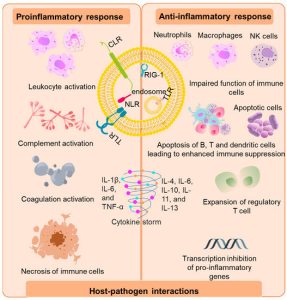
mAbs have significantly improved the treatment of chronic inflammatory disorders by targeting cytokines such as tumor necrosis factor (TNF). TNF inhibitors have demonstrated strong efficacy in conditions like:
- Rheumatoid arthritis
- Crohn’s disease
These therapies reduce inflammation by neutralizing key mediators of immune activation.
3. Oncology
Cancer therapy represents one of the most advanced applications of monoclonal antibodies. Strategies include:
- Targeting tumor-associated antigens (e.g., CD20 in B-cell malignancies)
- Blocking growth factor receptors (e.g., HER2 in breast cancer)
- Inducing immune-mediated tumor cell destruction
Monoclonal antibodies can also be combined with chemotherapy or used as carriers for cytotoxic agents.
4. Cardiovascular Diseases
Antibody-based inhibitors of platelet aggregation have been successfully applied in acute coronary syndromes, reducing thrombotic complications during vascular interventions.
5. Infectious Diseases
Monoclonal antibodies are increasingly used for prophylaxis and treatment of viral infections. For instance, antibodies targeting respiratory viruses can prevent severe disease in high-risk populations.
Safety Profile and Adverse Effects
Although generally well tolerated, monoclonal antibody therapies may induce:
- Infusion-related reactions (fever, chills, hypotension)
- Cytokine release syndrome due to immune activation
- Immunosuppression-related risks, including infections
Advances in antibody engineering continue to improve safety by minimizing unwanted immune activation.
Future Perspectives in Antibody-Based Therapeutics
The field of monoclonal antibody therapy continues to evolve rapidly, driven by:
- Advanced protein engineering technologies
- Improved understanding of immune mechanisms
- Development of next-generation formats (bispecific antibodies, antibody-drug conjugates)
These innovations aim to enhance specificity, reduce toxicity, and expand therapeutic applications across diverse diseases.
Conclusion
Monoclonal antibodies have transformed modern medicine by enabling highly specific and targeted therapeutic interventions. From immunology and oncology to infectious diseases, their versatility and precision continue to redefine treatment strategies. Ongoing technological advancements are expected to further optimize their clinical performance and broaden their impact in biomedical science.